How automatic car washes work
Tunnel washes use spinning brushes or cloth strips plus strong detergents to clean hundreds of cars a day. The brushes carry grit from the previous vehicle, which is the main cause of the spiderweb swirl marks you see on dark cars in direct sun.
Touchless washes avoid brushes but rely on high-pH chemicals that strip waxes and sealants and still leave a film of road grime behind.
What a mobile detail does differently
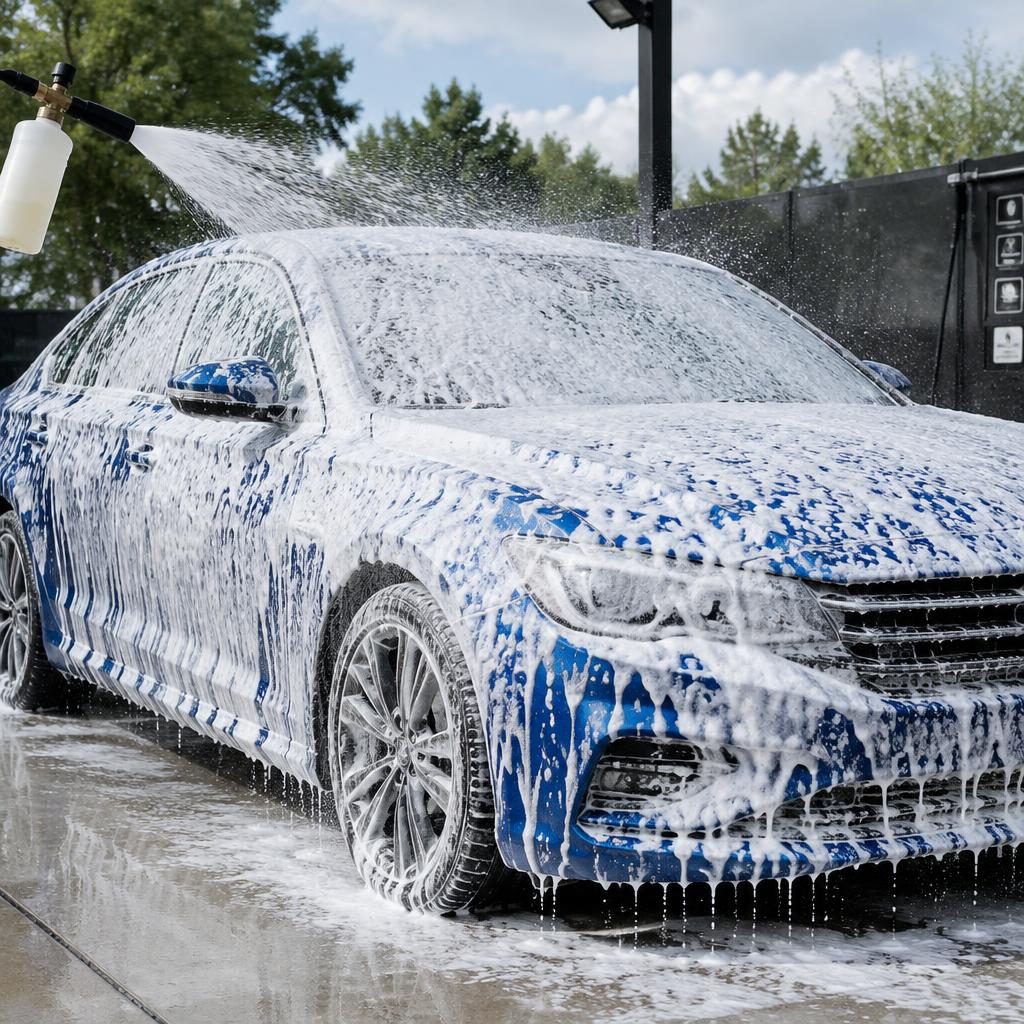
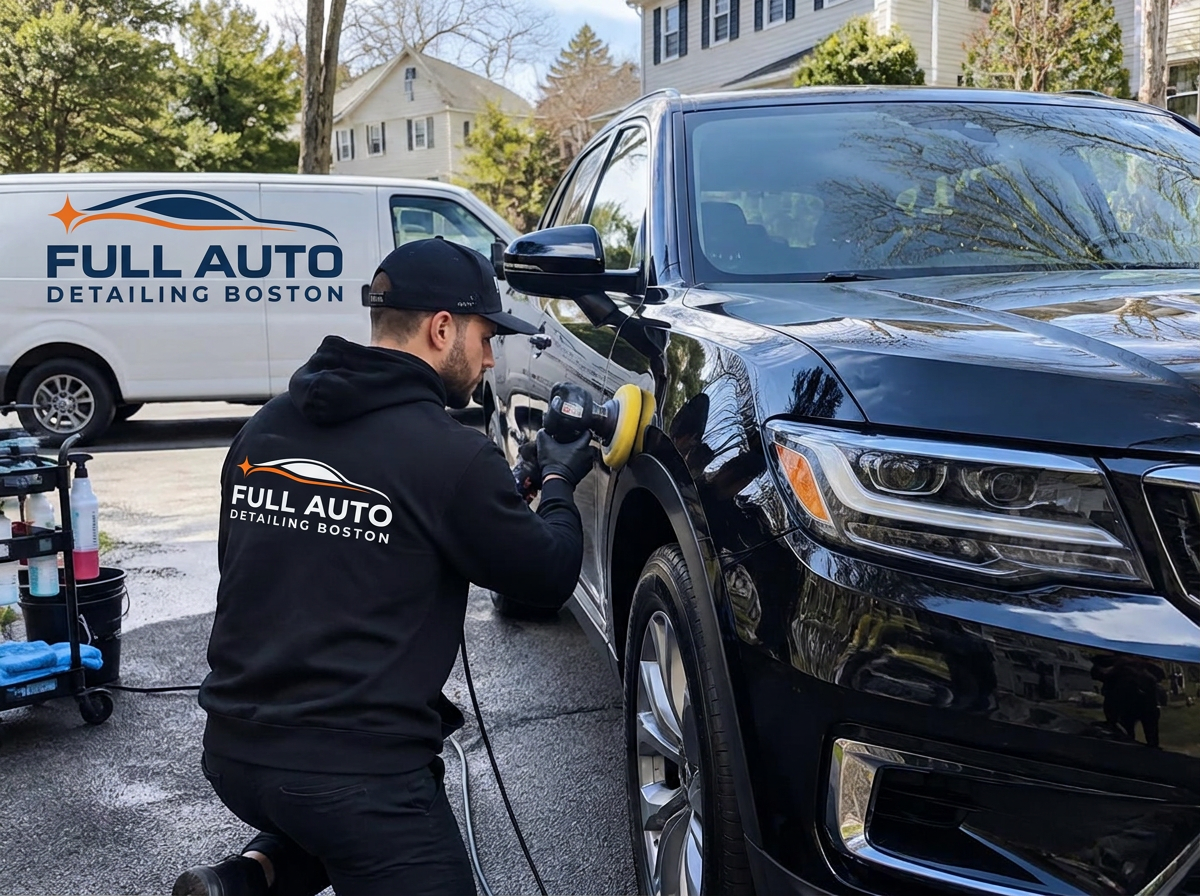
A professional detailer uses a pre-soak foam, a two-bucket hand wash with clean microfiber mitts, and dedicated wheel tools. The result is a cleaner car with no new scratches — and the interior gets cleaned too, which a car wash never does properly.
Time and convenience
A car wash takes 10 minutes but you have to drive there, wait in line, and vacuum yourself. A mobile detailer comes to your driveway or office parking lot while you work or relax, so the actual time cost to you is close to zero.
When a car wash is fine
For a quick salt rinse in the middle of a Boston winter, a touchless wash is better than leaving salt on your car. Just follow up with a proper hand wash and protection when temperatures allow.
The bottom line
Use car washes as an occasional emergency rinse, and rely on professional hand washing and detailing to keep your paint, interior and resale value in top shape.